Discover the rich biodiversity, conservation efforts, and unique experiences at one of India's most beautiful tiger reserves
Panna Tiger Reserve is a jewel in the crown of India's wildlife conservation efforts, located in the Vindhya mountain range of Madhya Pradesh.
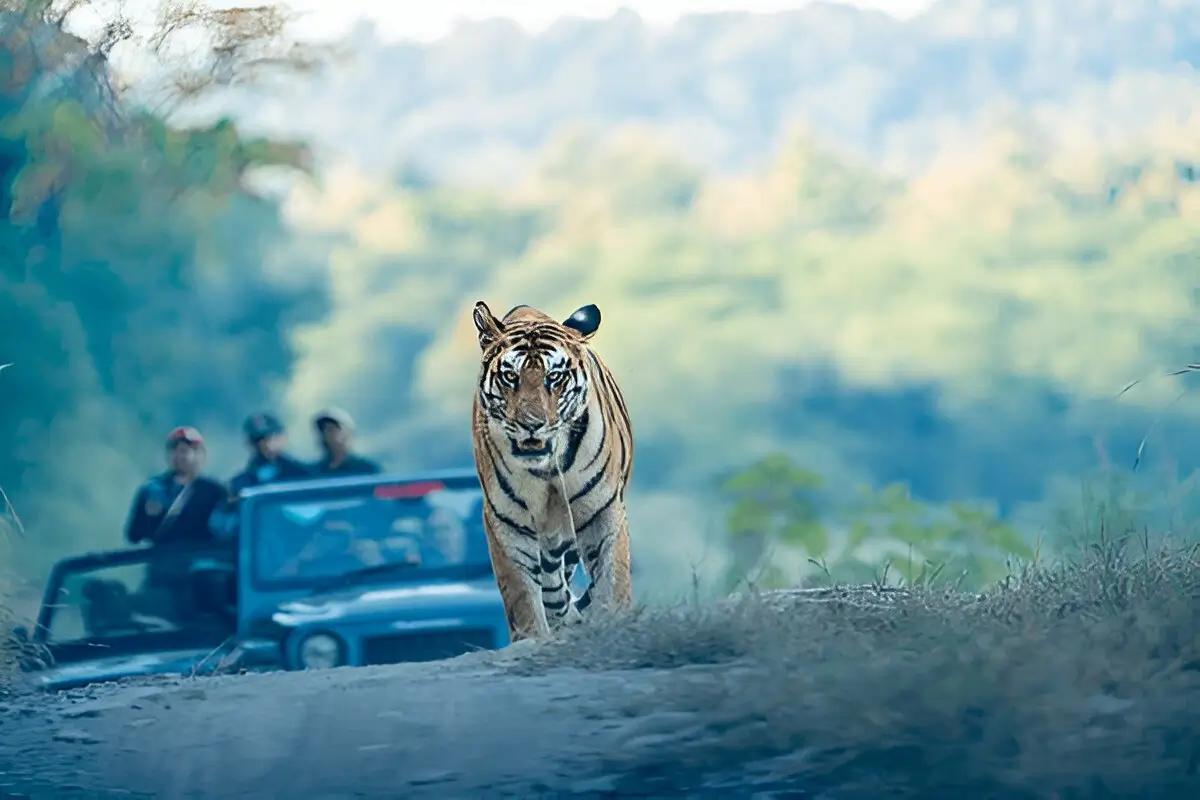
Spread over 542.67 square kilometers, Panna Tiger Reserve was declared a Project Tiger Reserve in 1994. The reserve is famous for its critical tiger conservation program that successfully revived the tiger population from near extinction.

The Ken River flows through the reserve for about 55 km, creating stunning landscapes and providing water to the rich biodiversity. The river is home to gharials, mugger crocodiles, and numerous fish species.
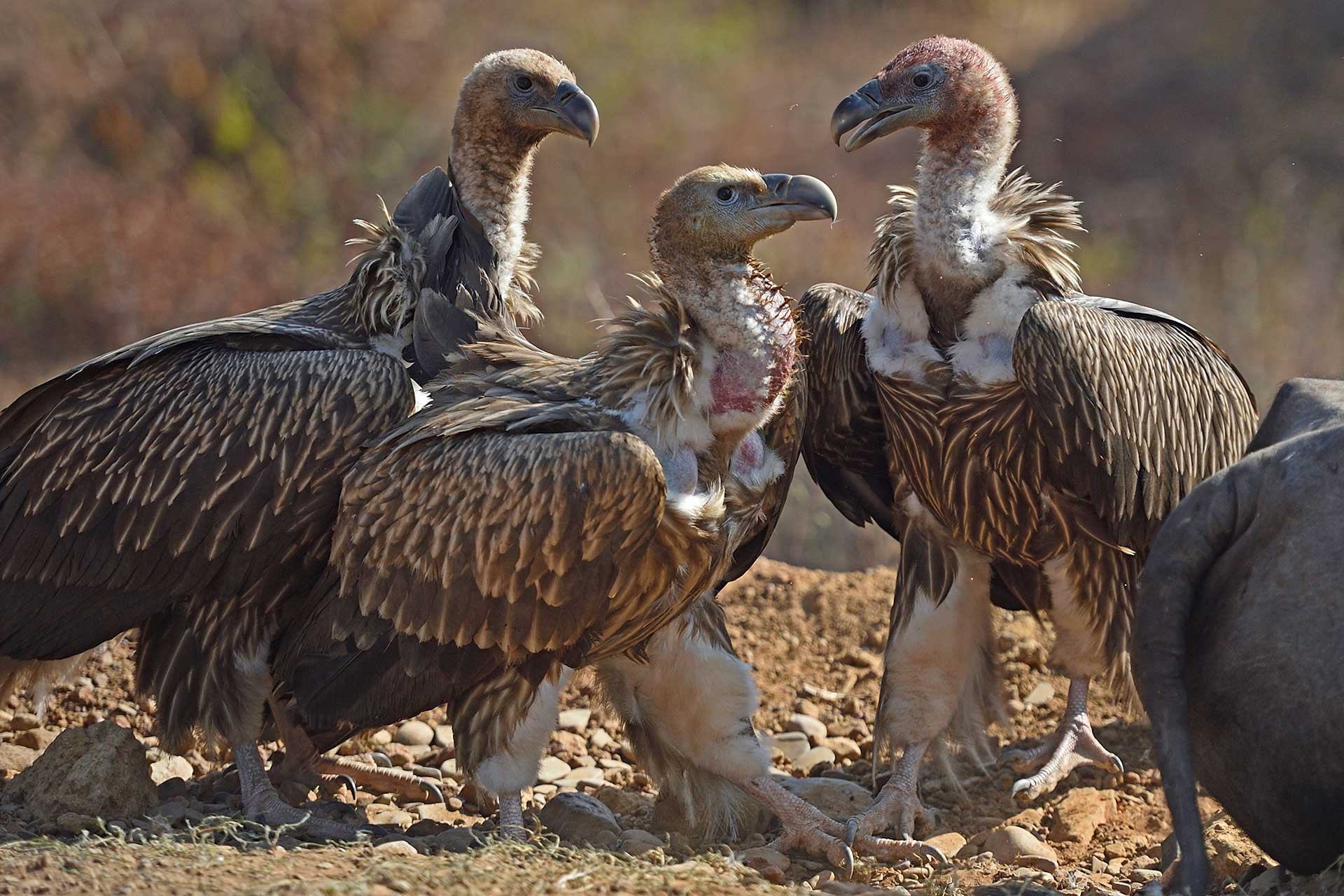
Besides tigers, the reserve hosts leopards, sloth bears, Indian wolves, striped hyenas, and over 200 species of birds. The diverse habitats include dry deciduous forests, grasslands, and riverine ecosystems.
The journey of Panna Tiger Reserve from a hunting ground to a conservation success story
The area was originally a hunting ground for the royalty of the former Panna principality. The forests were rich in wildlife including tigers, leopards, and other mammals.
Panna National Park was established on March 1, 1981, covering an area of 542.67 km² to protect the region's rich biodiversity and natural heritage.
The park was included in the Project Tiger network, becoming the 22nd Tiger Reserve of India and the 5th in Madhya Pradesh, marking a new era in tiger conservation.
Following the local extinction of tigers, an ambitious reintroduction program began. Tigers were relocated from Bandhavgarh, Kanha, and Pench Tiger Reserves.
Today, Panna Tiger Reserve is celebrated as one of India's most successful tiger reintroduction programs with a healthy and growing tiger population.
Key statistics that highlight the importance and scale of this conservation area
Our commitment to preserving Panna's natural heritage for future generations

Panna's successful tiger reintroduction program is considered a global model for wildlife conservation. From zero tigers in 2009 to a thriving population today, this achievement demonstrates effective conservation management.
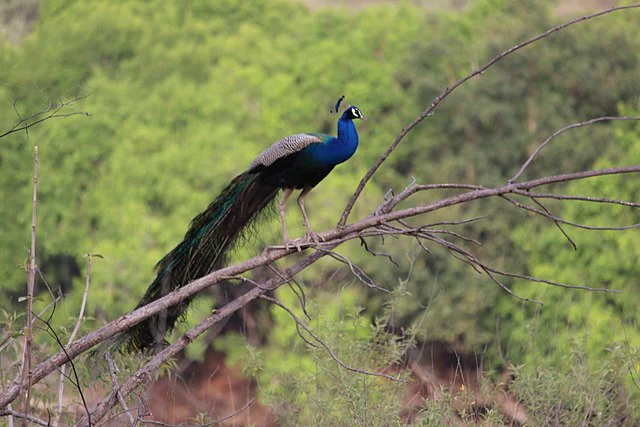
We work closely with local communities through eco-development committees, providing alternative livelihoods and reducing dependency on forest resources while promoting conservation awareness.
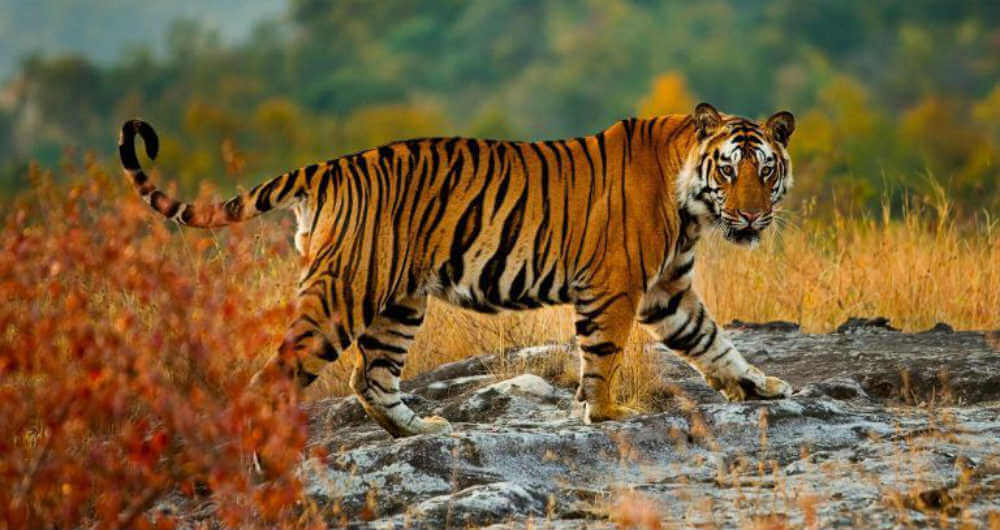
Continuous scientific research and monitoring using camera traps, satellite tracking, and field studies help us understand wildlife behavior and implement effective conservation strategies.
 Panna Tiger Reserve